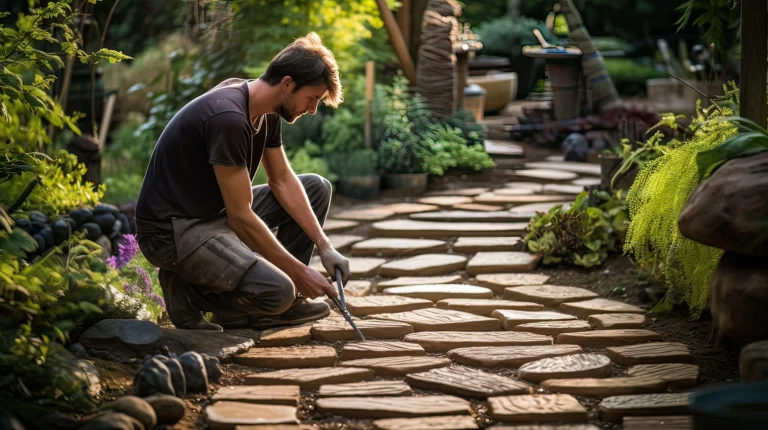
Paver Driveway vs Concrete: Texas Homeowner’s Guide

Which driveway material works best for Texas homeowners?
For most Dallas-Fort Worth homeowners, pavers outperform concrete over the long haul. Concrete costs less upfront, but Texas heat and expansive clay soil make it crack-prone over time. Pavers handle those same conditions more gracefully, last significantly longer, and let you swap out a single damaged unit instead of patching an entire slab.
Here’s a quick snapshot of how each material stacks up:
Pavers
- Lifespan: 30–50+ years with proper installation
- Upfront cost: Higher (varies depending on material and pattern)
- Maintenance: Moderate (joint sand, occasional weed control, periodic sealing)
- Repairs: Easy — replace individual units with no visible patch
- Texas climate: Excellent; modular design flexes with soil movement
- Design options: Broad — patterns, colors, textures
Concrete
- Lifespan: 25–30 years in Texas conditions
- Upfront cost: Lower (varies with project size and specifics)
- Maintenance: Lower routine effort, but crack repairs are costly
- Repairs: Visible and difficult to blend
- Texas climate: Vulnerable to cracking from heat and clay soil
- Design options: Plain, stamped, or colored finishes
Table of Contents
- How do installation and maintenance costs compare?
- How does Texas heat and soil affect driveway durability?
- What does routine maintenance actually look like for each?
- What design options do you actually get with each material?
- How does each material hold up specifically in Texas climate?
- Why local expertise matters for your DFW driveway installation
- Pave-n-turf brings DFW driveway expertise right to your door
- Key Takeaways
- FAQ
How do installation and maintenance costs compare?
Let’s be real: the price difference at installation is significant. Concrete driveways typically cost less per square foot than pavers, though prices vary based on material and pattern. For a standard 20×20 driveway, the total installed cost is significantly higher for pavers than concrete, depending on choices made.

But upfront cost tells only part of the story.
Concrete ongoing costs:
- Sealing every few years requires periodic investment to maintain surface protection.
- Crack repair after some years may require costly resurfacing.
- Full replacement is commonly needed after a couple of decades.
Paver ongoing costs:
- Joint re-sanding every several years involves modest material cost.
- Periodic sealing every few years is recommended to protect appearance.
- Individual unit replacement is possible with moderate cost for re-leveling.
For homeowners planning to stay in their DFW home 10 years or more, pavers often deliver better total value. The higher upfront investment spreads across a much longer lifespan, and repairs stay manageable rather than ballooning into full resurfacing jobs.
How does Texas heat and soil affect driveway durability?
Texas conditions are genuinely tough on driveways. The combination of 100°F+ summers and expansive clay soil creates a punishing cycle of expansion and contraction that few materials handle perfectly.
Concrete’s biggest vulnerability here is cracking. Even with proper expansion joints and base preparation, cracking is likely within 5–10 years in DFW’s clay-heavy soil. Once a crack forms, it tends to grow. Concrete driveways typically last 25–30 years in Texas, but they rarely reach that ceiling without visible wear.
Pavers behave differently. Because each unit is independent, the surface flexes rather than fractures when the ground shifts. Individual units may settle unevenly over time, but re-leveling a section is far simpler than patching a concrete slab. That modular construction is why paver driveways can last 30–50+ years in Texas — base failure is more common than the pavers themselves wearing out.
Durability factors at a glance:
- Clay soil movement: Pavers flex; concrete cracks
- Heat cycling: Paver joints absorb expansion; concrete relies on control joints
- Repair after settling: Pavers re-level easily; concrete patches are permanent and visible
- Long-term surface integrity: Pavers maintain appearance longer
What does routine maintenance actually look like for each?
Neither material is truly maintenance-free, but the type of work differs considerably.
Paver driveway maintenance tasks:
- Re-sand joints every 3–5 years to prevent weed intrusion and unit shifting
- Pressure wash annually to clear dirt and organic buildup
- Seal every 3–4 years to protect color and resist staining
- Replace individual cracked or stained units as needed
Concrete driveway maintenance tasks:
- Seal every 2–3 years to block moisture and prevent surface spalling
- Pressure wash annually
- Address cracks promptly — small cracks become large ones fast in Texas heat
- Re-stain colored concrete every 5–8 years
The honest tradeoff: pavers require somewhat more ongoing maintenance time, but their repairs are simpler and cheaper. Concrete demands less routine attention but punishes you when something goes wrong. A cracked concrete slab is hard to repair invisibly; a cracked paver is swapped out in minutes. For many DFW homeowners, that repair visibility factor ends up being the deciding point.
What design options do you actually get with each material?
This is where pavers pull ahead clearly. The range of driveway paver designs available today covers herringbone, basketweave, running bond, and custom mixed patterns. You can combine colors, textures, and unit sizes to match a traditional brick home or a sleek modern build.

Concrete isn’t without options. Stamped concrete can mimic stone, brick, or tile. Colored and exposed aggregate finishes add character. But the pattern variety still falls short of what pavers offer, and stamped concrete’s texture can fade or wear unevenly over time in Texas sun.
Design comparison:
- Pavers: Virtually unlimited pattern combinations; mix colors and sizes; ages gracefully; easy to update sections
- Concrete: Stamped, plain, broom-finished, or colored; modern aesthetic at lower cost; harder to update without full replacement
On resale value, pavers tend to add 8–12% more perceived value than concrete in mid-to-upper price ranges, according to Texas real estate data. That said, a poorly installed paver driveway detracts from value, while a well-finished stamped concrete driveway can be just as appealing. Execution matters as much as material choice. Pairing your driveway with driveway lighting can further boost curb appeal regardless of which surface you choose.
How does each material hold up specifically in Texas climate?
Texas presents a specific set of challenges: extreme heat, clay soil, heavy rain events, and occasional ice storms. Both materials can work here, but they perform differently under each condition.
Pavers run 10–15°F cooler than concrete on hot days because the joints between units allow heat to dissipate rather than accumulate. On a 105°F Dallas afternoon, that difference is noticeable underfoot. Lighter-colored concrete with a reflective sealer can close that gap somewhat, but standard gray concrete absorbs and holds heat aggressively.
Texas climate performance factors:
- Heat retention: Pavers cooler due to joint gaps; concrete holds more heat
- Drainage: Pavers allow water to filter between units naturally; concrete requires precise slope engineering
- Soil movement: Pavers flex with clay expansion; concrete cracks
- Ice events: Both handle occasional DFW ice reasonably well with proper base prep
- Flash flooding: Pavers dissipate water faster and reduce pooling
For Texas driveway pavers, the drainage advantage is especially relevant in DFW’s storm-heavy spring season. Standing water on a concrete driveway can seep into the base and accelerate cracking. Pavers let that water move through naturally.
Why local expertise matters for your DFW driveway installation
The material you choose matters, but the installation quality matters more. A quality base of 6–8 inches of compacted gravel is critical for either pavers or concrete in Texas soil. Skip that step and neither material will perform as advertised.
Pave-n-turf is a licensed, insured Dallas-Fort Worth company specializing in custom-built outdoor surfaces designed for Texas conditions. Their team understands DFW’s clay soil, drainage patterns, and heat demands — and builds accordingly.
One practical advantage worth knowing: paver driveways can be used immediately after installation. Concrete requires 7 days of curing before you can drive on it. For a busy household, that week of blocked driveway access is a real inconvenience.
Installation highlights:
- Pavers: Usable same day; 5–10 days to install depending on size and pattern
- Concrete: 3–5 days to install, plus 7-day cure before use
- Base preparation: Non-negotiable for both; 6–8 inches of compacted gravel minimum
- Local knowledge: DFW soil and drainage conditions require experienced installers
Pro Tip: Ask any installer about their base preparation process before signing a contract. An installer who skips detailed base prep to save time is the single biggest risk factor for early driveway failure — regardless of whether you choose pavers or concrete.
Pave-n-turf brings DFW driveway expertise right to your door

If you’ve weighed the options and pavers feel like the right call for your home, the next step is finding an installer who actually knows DFW conditions. Pave-n-turf has built a reputation across the Dallas-Fort Worth area for paver installations that hold up through Texas summers, clay soil shifts, and everything in between. No guessing on base depth, no shortcuts on compaction — just clean, durable work that looks great from day one.
Whether you’re replacing a cracked concrete slab or starting fresh on a new build, Pave-n-turf handles the full installation with the craftsmanship DFW homeowners consistently rate highly. Get a quote on your landscape paver project and see what a properly installed paver driveway looks like in your neighborhood.
Key Takeaways
Pavers generally outlast concrete in Texas conditions and offer easier repairs, but concrete remains the more affordable entry point for homeowners with tighter budgets or shorter timelines.
| Point | Details |
|---|---|
| Lifespan advantage | Paver driveways last 30–50+ years in Texas; concrete typically reaches 25–30 years. |
| Upfront cost gap | Concrete runs $6–$12 per sq ft installed; pavers run $10–$25 per sq ft. |
| Texas climate fit | Pavers flex with clay soil movement and run 10–15°F cooler than concrete on hot days. |
| Repair visibility | Damaged pavers swap out individually with no visible patch; concrete repairs are permanent and hard to blend. |
| Pave-n-turf | A licensed DFW installer specializing in custom paver driveways built for Texas soil and heat conditions. |
FAQ
Is it cheaper to use pavers or concrete for a driveway?
Concrete is cheaper upfront at $6–$12 per square foot versus $10–$25 per square foot for pavers. Over a 20–30 year period, however, pavers often deliver better total value because repairs are simpler and the surface lasts longer.
How much does a 20×20 paver driveway cost?
A standard 20×20 driveway’s total installed cost is significantly higher for pavers than concrete, depending on choices made.
What are the disadvantages of a paver driveway?
Pavers require more routine maintenance than concrete, including joint re-sanding every 3–5 years, periodic sealing, and occasional weed removal. The higher upfront installation cost is also a factor for budget-conscious homeowners.
What type of driveway lasts the longest?
Paver driveways last the longest, typically 30–50+ years in Texas, compared to concrete’s 25–30 year lifespan. The modular design means individual units rarely wear out — base failure is the more common issue, and it’s fixable without full replacement.