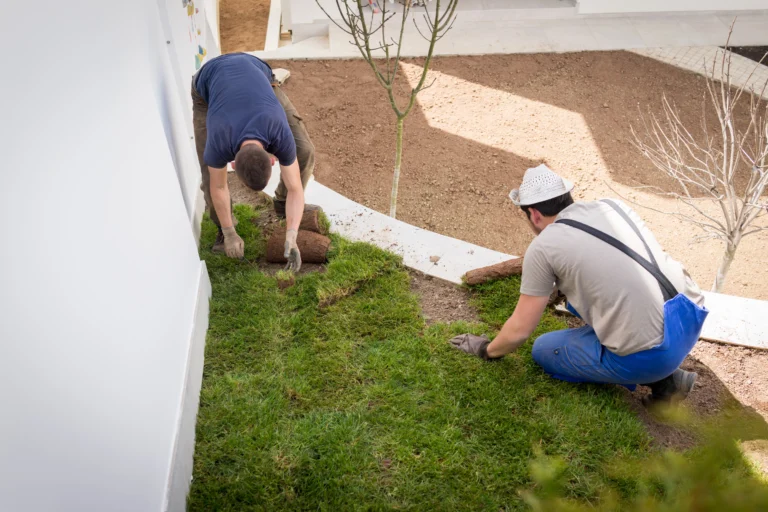
Parents: 4 Safety Checks to Verify Artificial Turf Is Safe for Kids

Artificial turf is neither a proven hazard nor a fully cleared surface. The federal biomonitoring evidence to date hasn’t found elevated chemical uptake in turf users, but heat and impact safety are real, manageable risks with clear fixes. The sections ahead break down what the science says about chemicals, temperature, and fall protection, plus the exact questions to ask an installer.
TL;DR:
- Chemical levels in turf show wide variation in lab studies, but current biomonitoring data do not demonstrate significant health risks for children.
- Surface heat is consistently higher on synthetic turf, but installing shade, scheduling playtimes, and using cooling technologies can substantially reduce heat exposure.
- Impact safety depends on verified impact-attenuation standards, with certified shock pads providing the most reliable fall protection for playground equipment.
- Children under five are at higher risk of exposure due to their play behavior, but long-term pediatric studies on chemical absorption are still lacking.
- Always request ASTM F1292 and F3313 safety documentation from installers to ensure proper impact and impact attenuation standards are met.
Table of Contents
- The Four Domains of Artificial Turf Safety You Need to Know
- What the Science Says About Chemicals in Artificial Turf
- How Hot Does Artificial Turf Get, and What Should Parents Do?
- Impact Safety: Why Shock Testing Matters More Than Chemistry
- Which Kids Face the Highest Exposure, and Why
- A Practical Checklist for Choosing Safer Turf Play Areas
- Why We Focus on Safety Documentation, Not Just Installation
- What Actually Matters Once You Cut Through the Noise
- Get a Playscape Built Around Documented Safety, Not Guesswork
- Where to Go Deeper on the Research
- Sources
- FAQ
The Four Domains of Artificial Turf Safety You Need to Know
Every parent researching synthetic turf ends up circling the same four questions: chemicals, heat, falls, and environmental exposure. Each one has a different evidence base, and lumping them together is where most turf debates go sideways.
Here’s the honest breakdown:
- Chemical contamination (PAHs, PFAS, phthalates, metals): Detected in lab samples at variable levels, but epidemiological evidence linking those levels to actual health outcomes in children remains thin.
- Surface heat: Well documented and measurable. Synthetic turf runs hotter than natural grass, sometimes dramatically so, and this is the risk parents can control most directly.
- Impact attenuation (falls from play equipment): Governed by established testing standards, and the safest turf systems are the ones with documentation to prove they meet them.
- Environmental and aging factors: Weathered, degraded turf can behave differently than new installations, particularly around dust and lead content.
The agencies worth knowing here are the EPA, which runs the Federal Research Action Plan (FRAP) on synthetic turf; the CDC and its Agency for Toxic Substances and Disease Registry (ATSDR), which track lead and soil exposure; the Consumer Product Safety Commission (CPSC), which sets playground surfacing guidance; and ASTM International, whose F1292 and F3313 standards govern impact testing.
Evidence strength varies a lot across these four domains. Impact attenuation has the clearest, most actionable standards. Heat has strong measurement data but less certainty about long-term health effects. Chemical exposure has the most research volume but the weakest link to real-world child health outcomes, mostly because almost nobody has run a long-term study focused specifically on kids.
What the Science Says About Chemicals in Artificial Turf
Laboratory studies consistently detect polycyclic aromatic hydrocarbons (PAHs), heavy metals, and in some products PFAS and phthalates, in synthetic turf components. The concentrations vary enormously.
By the numbers: One review of the rubber crumb infill literature found PAH concentrations varied widely in lab studies, with some reporting levels exceeding certain European guideline thresholds. Yet the same review found only two epidemiological studies examining real health outcomes, and neither found a significant association.
That gap between lab detection and health outcome data is the central tension in the entire turf safety conversation. Chemicals showing up in a sample doesn’t automatically mean children absorb them at meaningful levels. Exposure depends on the pathway.
Children encounter turf chemicals three ways: through skin contact during play, through inhalation of dust or volatile compounds, and through ingestion, meaning hand-to-mouth contact after touching turf or infill material. Kids are more vulnerable on all three counts than adults. They spend more time close to the ground, put their hands in their mouths far more often, and have a higher surface-area-to-body-weight ratio, so the same exposure dose affects them more.

The most direct answer we have on real-world uptake comes from a federal biomonitoring pilot. Researchers measured PAH biomarkers in 161 participants (132 synthetic turf users and 29 natural grass users) before and after activity on their respective surfaces. The EPA’s Federal Research Action Plan found no statistically significant differences in those biomarker levels between the two groups.
That’s a meaningfully reassuring finding, but it comes with real limits. The sample size is modest, the study wasn’t focused specifically on children, and biomonitoring after a single play session can’t tell you much about cumulative exposure over years of use. A separate peer-reviewed review cataloging turf’s hazardous chemical components reached a similar conclusion from the other direction: the chemicals are documented, but human health outcome studies remain scarce. Both reviews call for longitudinal research that actually tracks children over time, not adults, not athletes, and not single-exposure snapshots.
How Hot Does Artificial Turf Get, and What Should Parents Do?
Heat is the risk with the clearest data and the most straightforward fixes. A systematic review of 23 studies comparing synthetic turf to natural grass found surface temperature increases ranging from roughly 9.4°C to 33.7°C higher on synthetic surfaces, depending on infill type, color, and weather conditions. That’s the widest and most consistent finding in the entire turf safety literature.

What that review couldn’t pin down is exactly how much those temperature spikes translate into heat-stress risk for a child playing barefoot or falling on a hot afternoon. The research notes cooling technologies can measurably reduce surface temperature, but the overall health implications of that heat gap are still being studied.
Here’s what actually helps on the ground:
- Shade structures over play areas cut peak surface temperature significantly during the hottest parts of the day.
- Timing play for morning or evening, rather than midday in summer, avoids the worst of the heat buildup.
- Light irrigation before play sessions can drop surface temperature noticeably, though the effect fades within an hour or two.
- Cool-fiber technologies, including lighter-colored yarns and specialty cooling infill, are now built into many residential turf products and reduce peak heat compared to standard nylon or older polyethylene blends.
Pro Tip: Before letting kids play barefoot, press your palm flat on the turf for five seconds at midday. If it’s uncomfortable for your hand, it’s too hot for bare feet or a fall.
If you’re comparing products for a Texas backyard or playscape, ask installers directly whether they offer cooling turf technology and how it performs against standard fiber in your specific climate zone. Not every “cool” claim is backed by the same data.
Impact Safety: Why Shock Testing Matters More Than Chemistry
For fall protection, the standards are precise, and that precision is exactly what parents should lean on. The CPSC’s Public Playground Safety Handbook treats shock-absorbing surfacing as a core requirement, not an optional upgrade, for any equipment with a fall height above ground level.
Two testing standards do the heavy lifting here. ASTM F1292 measures a surfacing material’s “critical height,” the maximum fall height at which that material still provides adequate impact attenuation in laboratory conditions. ASTM F3313 goes further and tests the surface after it’s actually installed, since padding performance can shift based on installation depth, compaction, drainage, and age.
Here’s how to verify a play surface before you trust it:
- Request the ASTM F1292 lab report for the specific turf and shock pad system, not a generic manufacturer brochure.
- Match the critical height to your equipment’s actual fall height. A slide with a 6-foot platform needs surfacing rated for at least that height, and manufacturer play equipment specs usually list this number.
- Ask whether the installed system was field-tested to ASTM F3313, since lab ratings can differ from real-world performance once turf is compacted and weathered.
- Get the maintenance plan in writing, since shock pads compress over time and need periodic evaluation to keep performing at their rated height.
For residential and playscape use, engineered turf systems with a dedicated shock pad generally outperform loose-fill materials like engineered wood fiber (EWF) or rubber mulch for toddlers, mainly because loose fill migrates, compacts unevenly, and needs regular raking to maintain depth. Unitary systems don’t have that maintenance burden, though they cost more upfront. If you want a deeper look at how fall height and padding depth interact, exact fall height measurement is worth understanding before you sign off on any play surface.
Which Kids Face the Highest Exposure, and Why
Exposure risk isn’t evenly distributed across every child who steps on turf. It concentrates around specific behaviors and ages.
Toddlers and younger kids face the highest theoretical exposure because they play closer to the ground, put fingers and objects in their mouths constantly, and spend longer stretches sitting or crawling directly on the surface rather than standing and moving through it. Long, frequent play sessions on dusty or degraded turf raise cumulative exposure more than occasional short visits. And infill particles kicked up during active play, running, sliding, tumbling, are more likely to end up on hands and in mouths than on turf that’s simply walked across.
It’s worth being honest about a gap in the research here: most biomonitoring studies to date, including the federal pilot discussed earlier, have skewed toward adults and athletes rather than young children. That’s a real limitation. Kids process and absorb compounds differently than adult bodies do, and nobody has run a large, dedicated pediatric biomonitoring study on synthetic turf.
A few behavioral habits close most of that gap in practice:
- Supervise play sessions on hot or heavily used turf, especially with toddlers.
- Wash hands after play, particularly before eating or napping.
- Limit long sessions during peak heat or on visibly dusty, aging turf.
- Remove shoes and brush off clothing before heading indoors to cut down on infill particles tracked into the house.
Older, weathered turf deserves extra scrutiny here. The CDC notes that degraded synthetic fibers can release lead-containing dust as they break down, which is a different risk profile than new installations and one more reason turf age matters as much as turf type.
A Practical Checklist for Choosing Safer Turf Play Areas
Most of the risk in synthetic turf comes down to decisions made before installation ever starts. Here’s the sequence that actually matters, in order:
- Request ASTM F1292 and F3313 documentation from any installer before signing a contract for a play area. If they can’t produce it, ask why.
- Ask about infill type directly. If crumb rubber concerns you, alternatives like engineered polymer infill or sand-based systems exist and change the chemical profile discussed earlier.
- Confirm cooling technology specifics, not just marketing language. Ask what fiber type is used and whether independent testing backs any temperature claims.
- Review the warranty and maintenance plan in writing, including who’s responsible for infill top-ups and shock pad inspection over time.
- Plan site orientation and drainage during design, not after. Shade placement and proper drainage reduce both heat exposure and runoff that can carry contaminants off the play surface.
- Set a maintenance routine that includes periodic degreasing, infill refresh per manufacturer specs, and a visual check for fading, brittleness, or dust, all signs the surface may be degrading faster than expected.
Pro Tip: If your existing turf is more than eight to ten years old and shows visible fading or crumbling fibers, that’s the point to consider professional dust testing for lead rather than waiting for a scheduled replacement.
Natural grass, certified EWF, and sand remain reasonable alternatives for parents who want to sidestep synthetic materials entirely, though each comes with its own trade-offs: grass needs water and mowing and gets muddy, EWF requires regular raking and depth checks, and sand can migrate and doesn’t drain as well in heavy rain. There’s no risk-free surface, just different maintenance burdens. For a broader comparison of surface options and how they stack up on fall protection, backyard play surface choices walks through the trade-offs in more depth. And if chemical exposure specifically is your top concern regardless of surface type, non-toxic artificial grass covers material choices that reduce that risk further.
Why We Focus on Safety Documentation, Not Just Installation
Some installers provide artificial turf and pavers for residential and commercial landscapes, covering a variety of uses including playscapes and putting greens. Installation may also include landscape pavers and decorative rock. Playscapes specifically require a different level of attention than a backyard lawn, since fall protection and heat management directly affect child safety.
A safety-minded installer should be able to answer the questions raised throughout this article without hesitation:
- Can you produce ASTM F1292 critical-height reports for the shock pad system you’re proposing?
- What infill and fiber options do you offer, and how do they compare on heat performance?
- What does your maintenance plan cover after installation?
- How do you handle drainage and shade planning during the design phase?
A reputable turf and paver company typically has strong customer reviews and a track record with homeowners, pet owners, and property managers seeking durable, low-maintenance turf solutions. That’s the standard we bring to every playscape conversation, not just the sales pitch, but the actual documentation behind it.
What Actually Matters Once You Cut Through the Noise
The chemical exposure debate gets the most attention online, but the federal biomonitoring data so far doesn’t support alarm on that front, just continued caution and better long-term research. Heat and impact protection deserve more of parents’ attention than they typically get, because both have clear, fixable solutions that don’t require waiting on more studies.
If I had to rank priorities for a parent evaluating a play area today, I’d put impact attenuation first, since a documented shock pad system prevents the injuries most likely to actually happen. Heat management comes second, mostly through shade and scheduling. Chemical exposure sits third, worth monitoring and worth choosing lower-toxicity materials when you can, but not worth losing sleep over based on what the evidence shows right now.
The one thing I’d tell every parent: don’t accept a turf installation without asking for test documentation. An installer who can’t produce an ASTM report is asking you to trust marketing language instead of testing data, and that’s a bad trade for a play surface your kids will use for years.
— Everson
Get a Playscape Built Around Documented Safety, Not Guesswork
Some playscape installers treat ASTM documentation and heat mitigation as standard practice. Playscape projects can include shock pad systems built to impact-attenuation standards, cooling turf technology suited to hot climates, proper drainage to manage runoff, and a maintenance plan that keeps the surface performing as it ages.

What that looks like in practice: a site visit to plan shade and drainage, a fiber and infill recommendation based on your climate and use case, and documentation you can actually keep on file. If you’re weighing a play area upgrade, start with a look at Pave-N-Turf’s playscapes services and request a quote that includes the safety specs discussed here, not just a price per square foot.
Where to Go Deeper on the Research
- The EPA’s synthetic turf exposure and biomonitoring reports cover the full FRAP methodology behind the federal chemical exposure findings.
- The rubber crumb infill health outcomes review breaks down lab detection ranges and the epidemiological evidence gap in detail.
- The CPSC Public Playground Safety Handbook is the primary reference for impact attenuation and surfacing standards nationwide.
- CDC guidance on lead in soil and play areas explains how aging surfaces can become a dust exposure concern.
Sources
- EPA — Synthetic Turf Field Recycled Tire Crumb Rubber Characterization Research Final Report: Part 2 (exposure/biomonitoring)
- Rubber crumb infill in synthetic turf and health outcomes: a review (PMC)
- CPSC Public Playground Safety Handbook (2025)
- CDC — Lead prevention: soil and play areas
FAQ
Why Are Some Parents Getting Rid of Artificial Grass?
Most concerns center on heat and chemical uncertainty rather than a proven health harm. Surface temperatures on synthetic turf can run substantially hotter than natural grass, and some parents prefer to avoid infill materials entirely until longer-term child-focused studies exist.
Which Artificial Turf Is the Least Toxic for Kids?
Turf using non-crumb infill options like engineered polymer, cork, or sand-based systems generally carries a different, often lower, chemical profile than end-of-life tire crumb rubber. Newer products with cool-fiber technology also reduce the heat-related risk alongside the chemical one, and asking your installer about non-toxic material options before installation is the most direct way to reduce exposure concerns.
Is There a Link Between Artificial Turf and Lymphoma?
Current epidemiological research has not established a confirmed link between synthetic turf infill and lymphoma or other cancers. A comprehensive review of the crumb rubber literature found only two epidemiological studies on the topic, and neither found a significant association, though researchers agree more long-term studies are needed.
What Is the Best Turf for a Playground That’s Safe for Kids?
The safest option is a unitary turf system paired with a shock pad tested to ASTM F1292 for critical height, then verified after installation with ASTM F3313 field testing. Beyond the padding, look for cooling fiber technology and confirm your installer provides written maintenance guidance. Pave-N-Turf’s playscape installations are built around exactly this combination of documented shock protection and heat mitigation.
How Hot Can Artificial Turf Get in Direct Sun?
Surface temperatures on synthetic turf can rise well above natural grass, with one systematic review documenting increases ranging from about 9.4°C to 33.7°C higher depending on infill, color, and weather. Shade structures, scheduled play times, and cool-fiber turf products are the most effective ways to manage that heat.