Pet Owners: 5 Signs of Artificial Turf Pests and Fixes to Try
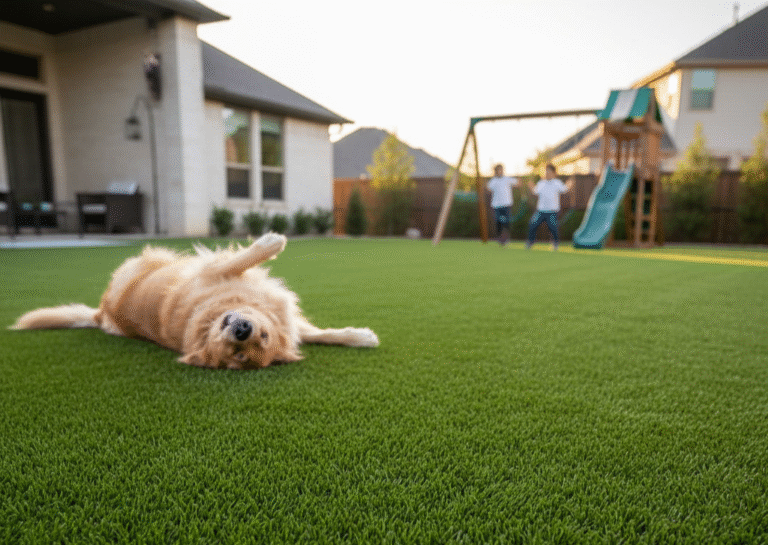
Artificial turf rarely supports a real, ongoing pest infestation on its own. Pests show up when moisture, food debris, or pet waste give them a reason to stick around, not because the turf itself is hospitable. The two fixes with the biggest payoff: clear away debris regularly and keep your pet current on vet-recommended flea and tick prevention. For most homeowners, routine maintenance solves the problem. If it doesn’t, a single professional deep clean usually does.
TL;DR:
- Most pests on artificial turf stem from moisture, debris, or pet waste buildup rather than the turf itself, making routine cleaning the most effective prevention.
- Proper installation, good drainage, and regular maintenance prevent pest habitats, especially avoiding standing water and organic waste in seams and edges.
- Fleas, ticks, and mosquitoes rarely establish in clean turf because they depend on soil, vegetation, or standing water to breed or find shelter.
- Deep cleaning and repairs target structural issues like drainage problems and debris lodged in seams, which are common sources of recurring pest activity.
- Consistent pet hygiene, immediate waste removal, and seasonal inspections greatly reduce pest risks without needing chemical treatments.
Table of Contents
- Which Pests Show Up on Artificial Grass
- Why Pests Show Up: Moisture, Debris, and Base Problems
- Prevention and Maintenance Checklist for a Pest-Free Lawn
- How Long Do Fleas Survive in Artificial Turf?
- When to Call a Professional for Turf Pest Problems
- An Installer’s View on Turf and Pests
- A Professional Route: Turf Built and Maintained for Pet Owners
- Sources
- FAQ
Which Pests Show Up on Artificial Grass
Let’s be real: seeing one bug on your lawn doesn’t mean you have an infestation. It’s the difference between a stray ant scouting for food and a trail of them marching to a buried snack your dog left behind. Here’s what you’re likely dealing with when you spot activity in your turf:
- Fleas: Usually arrive on a pet or wild animal. They don’t breed well in turf itself because their larvae need organic soil, not synthetic fiber.
- Ticks: Prefer tall grass and leaf litter nearby, not the turf surface. A tick on your lawn probably hitched a ride from adjacent vegetation.
- Mosquitoes: Need standing water to breed. If your turf drains properly, they have nowhere to lay eggs.
- Ants: Attracted to food debris and pet waste, not the turf material. Repeated mound-building near edges signals a debris issue.
- Flies: Drawn almost exclusively to pet waste left too long in the sun.
- Spiders: Often just passing through, hunting the smaller bugs debris attracts.
A single sighting is normal outdoor life. Repeated activity in the same spot means something is feeding or sheltering them there.
Why Pests Show Up: Moisture, Debris, and Base Problems
Artificial turf pests almost always trace back to conditions the yard creates, not the turf material itself. Four factors do most of the damage:
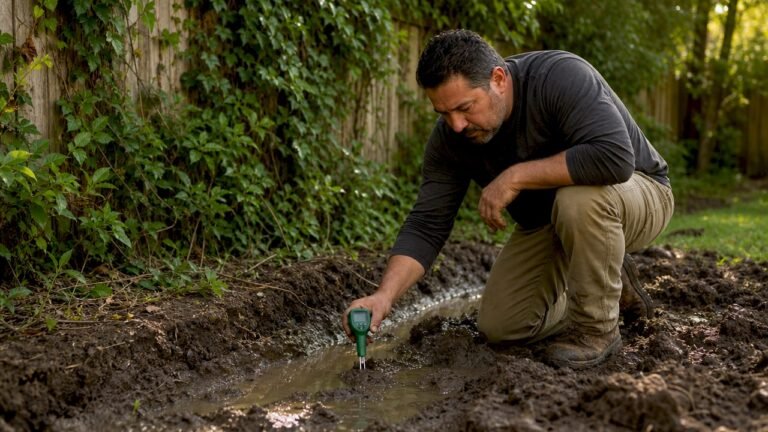
- Poor drainage. When water pools instead of draining through, it becomes a mosquito nursery within days. Well-installed turf systems are engineered specifically to prevent this standing water.
- Organic debris and pet waste. Leaves, dropped food, and uncleaned waste give ants, flies, and fleas both shelter and a food source, turning a clean lawn into a buffet.
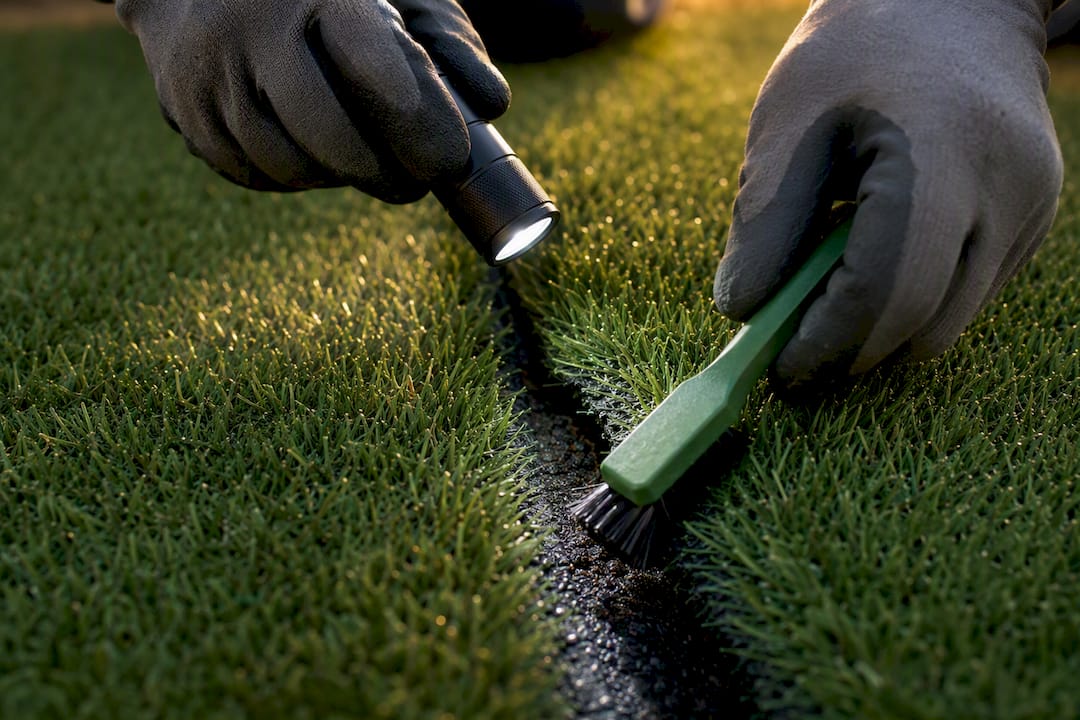
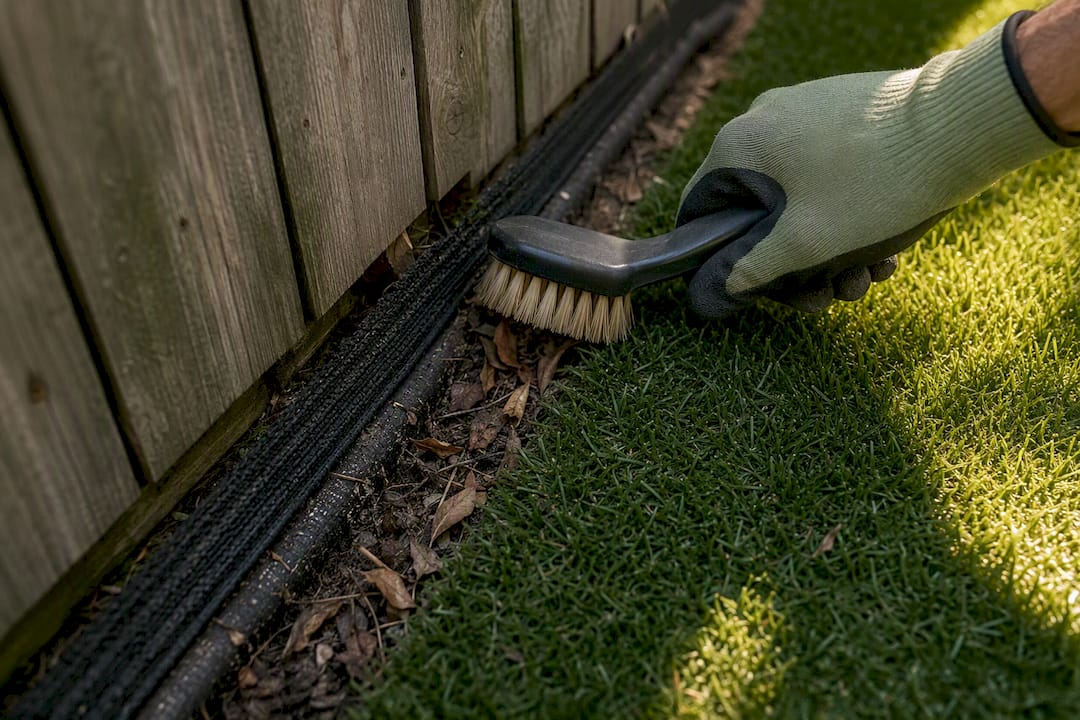
- Compromised seams and edges. Gaps where turf meets a fence, patio, or planting bed trap moisture and organic matter that routine brushing never reaches, creating a hidden micro-habitat.
- Nearby vegetation. Tall grass, mulch beds, and dense shrubs bordering the turf are where ticks and other pests actually live before wandering onto your lawn.
None of these problems are inherent to synthetic grass. They’re maintenance and installation issues, which means they’re fixable. The trade-off, as UF/IFAS points out, is that turf also doesn’t support the pollinators and soil ecosystems a living lawn does. That’s worth knowing before installation, even though it doesn’t make turf pest-prone.
Prevention and Maintenance Checklist for a Pest-Free Lawn
Good news: keeping pests off artificial turf doesn’t require heavy chemicals. It requires consistency. Removing debris and staying on top of pet hygiene beats any spray you can buy, and it costs nothing but a few minutes a week.
Weekly
- Remove leaves, sticks, and food debris before they decompose into pest food.
- Scoop pet waste immediately. Waiting even a day gives flies a reason to move in.
- Brush high-traffic zones to keep grass fibers upright and prevent matting where debris hides.
Monthly
- Give the whole lawn a hose rinse to flush out dust, pollen, and waste residue.
- Check drain outlets for clogs. A blocked outlet turns your drainage system into a birdbath.
- Inspect seams and edges for gaps or lifting, and top up infill where it has thinned.
Seasonally
- Run an enzymatic pet-waste cleaner over the whole area to break down odor-causing bacteria that routine rinsing misses.
- Inspect the base for low spots and regrade before your rainy season starts, not after.
For your pets
- Keep flea and tick prevention current, year-round, as recommended by your veterinarian. This single habit does more to prevent fleas in artificial grass than any lawn treatment.
- Wash pet bedding regularly, especially bedding kept outdoors.
- Check pets for hitchhikers after walks through tall grass or wooded areas before they track anything onto your turf.
If you want low-toxicity backup, pet-safe enzyme cleaners and diatomaceous earth around perimeters work well without harsh chemicals. If pests keep returning despite consistent care, that’s your signal to call a professional. For deeper maintenance steps, cleaning routines built specifically for pet turf can extend both your lawn’s life and your peace of mind.
Pro Tip: Focus your cleaning energy on edges, seams, and shaded corners first. Debris settles there because airflow and sun exposure are lowest, which makes those spots the real hot zones, even when the open middle of your lawn looks spotless.
How Long Do Fleas Survive in Artificial Turf?
Not long, and that’s the encouraging part. Flea larvae need organic thatch or soil to develop into adults. Synthetic turf, kept reasonably clean, doesn’t offer that. An adult flea that hops off your dog onto the lawn can survive briefly, but it can’t establish a breeding population without soil-based conditions.
The same logic applies across the board:
- Mosquitoes can’t complete their larval stage without standing water, so well-drained turf breaks their lifecycle before it starts.
- Ticks rely on leaf litter and tall vegetation for cover; a clean turf surface offers neither.
- Fleas need organic matter to reproduce, which clean synthetic fiber doesn’t provide.
If you’re seeing fleas or ticks again and again in the same spot, that’s usually reintroduction, not a turf-based infestation, most often carried in on a pet or from bordering vegetation.
When to Call a Professional for Turf Pest Problems
DIY maintenance handles most artificial turf pests. Some situations call for someone with the right equipment and experience.
Watch for these signs that point to professional work:
- Persistent odor that survives rinsing and enzymatic cleaning.
- Debris embedded deep in the infill that a hose and brush can’t reach.
- Pests returning to the same area repeatedly despite consistent upkeep.
- Water that lingers well after rainfall instead of draining through.
- Visible erosion, sinking, or lifting at the turf edges.
Professional installers commonly trace recurring pest problems back to drainage or hidden debris in seams and edges rather than the turf material itself. A proper service visit typically includes deep vacuuming, sanitizing, infill replacement, and, where needed, regrading or micro-drain installation to fix structural low spots that surface fixes can’t touch.
| Situation | Likely Fix | Who Handles It |
|---|---|---|
| Debris on the surface | Rinse and brush | Homeowner, weekly |
| Odor after cleaning | Enzymatic deep clean | Homeowner or pro |
| Standing water after rain | Regrading or micro-drains | Professional |
| Recurring pests at edges | Seam and edge repair | Professional |
Before calling anyone, note where pooling happens, how long it lasts, and where you’ve seen the most pest activity. That detail speeds up the estimate. Learn more about how proper installation and drainage design prevents most of these issues before they start.
An Installer’s View on Turf and Pests
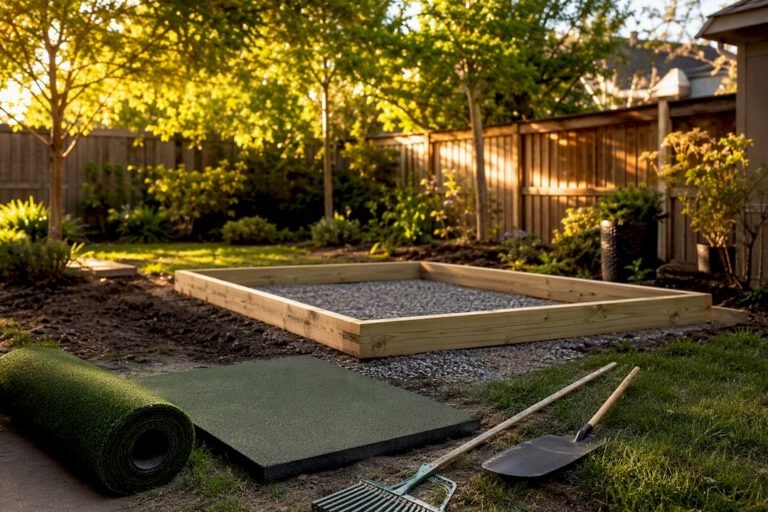
Most of the pest complaints we hear trace back to two things: a base that wasn’t compacted properly, or edging that leaves gaps where debris and moisture collect. Those are installation problems wearing a pest costume.
The homeowners who never call us about bugs are usually the ones doing three things: scooping waste daily, rinsing monthly, and checking their pet’s flea prevention every season. It’s not complicated. It’s just consistent. Turf changes the equation in your favor, but it doesn’t remove your part of the job.
— Everson
A Professional Route: Turf Built and Maintained for Pet Owners
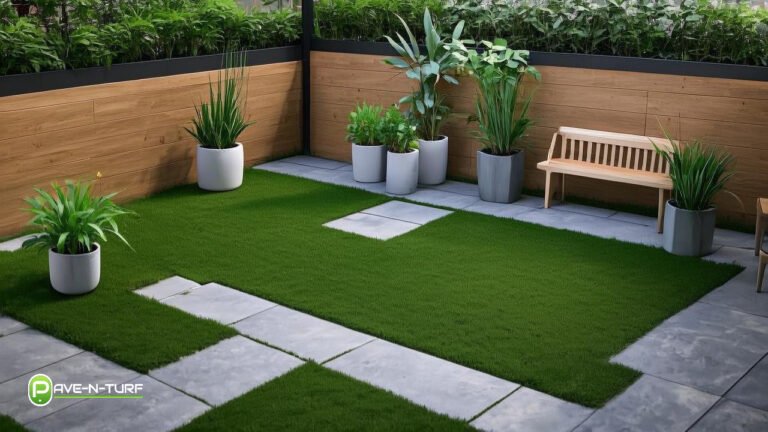
If your yard keeps generating pest problems no matter how often you clean, the issue is probably structural, not something a hose can fix. Pave-n-turf installs artificial grass built specifically for pets, with drainage and base work designed to prevent the pooling and embedded debris that invite fleas, ants, and mosquitoes in the first place.

Recurring pests tied to poor drainage or an old, compacted base rarely get better with more rinsing. They get better with a base rebuild. Pave-n-turf also handles landscape pavers around turf edges, which cuts down on the gap-and-debris problem at the perimeter where most pest activity starts. If your lawn has been fighting you all season, request an inspection and estimate, and find out whether the fix is routine maintenance or a rebuild.
FAQ
Does Artificial Turf Attract Bugs?
No, not inherently. Turf attracts bugs when debris, moisture, or pet waste builds up, not because of the synthetic material itself.
What’s the Best Bug Repellent for Artificial Turf?
Consistent sanitation, removing debris and pet waste promptly, outperforms most sprays. Pet-safe enzyme cleaners and diatomaceous earth around the perimeter work well as low-toxicity backup.
How Long Can Fleas Live in Artificial Grass?
Adult fleas may survive briefly after falling off a pet, but they can’t complete their lifecycle without organic soil, so they rarely establish a lasting population in clean turf.
What’s the Black Stuff That Flies Up from Artificial Turf?
That’s typically infill material, usually crumb rubber or sand-based granules, that works loose over time. It’s a maintenance sign, not a pest indicator, and often means it’s time to top up or inspect your infill layer.
Can Pave-n-turf Help With Recurring Pest Problems?
Yes. When pest issues trace back to drainage or an aging base rather than routine debris, Pave-n-turf’s pet turf installation and repair services address the structural cause directly.